'/%3E%3C/svg%3E)


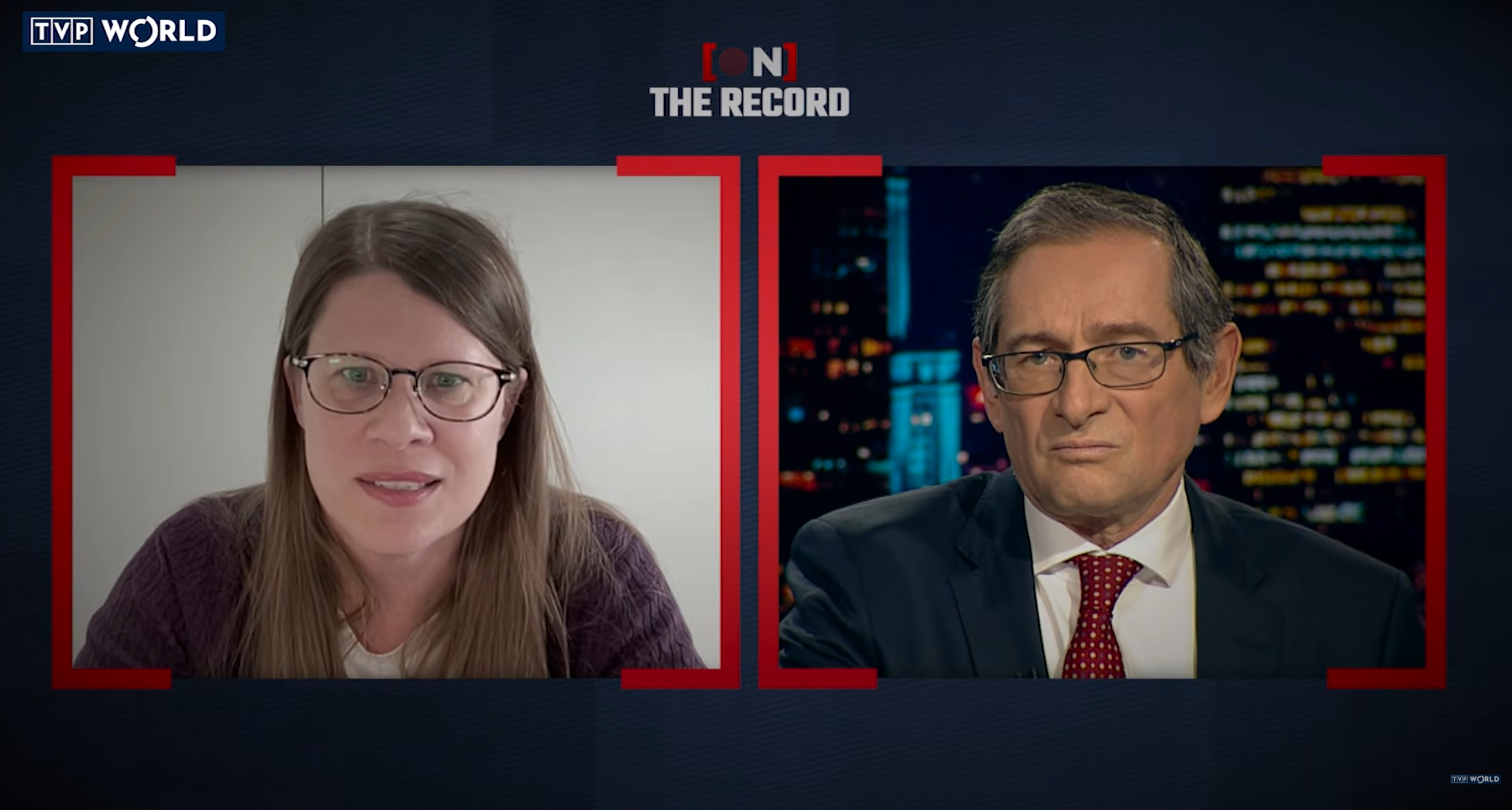
As European leaders return to Beijing seeking an economic reset, questions arise over China’s deepening ties with Moscow — and what that means for the EU. Some analysts and domestic critics of President Trump accuse him of trying to reach a grand bargain with both Russia and China, and effectively leaving Europe at the mercy of what some analysts refer to as the DragonBear. Adam Jasser speaks with Ivana Karásková, a leading European expert on China from the Prague-based Association for International Affairs, about Beijing’s strategy, the so-called DragonBear alignment, and whether Europe is underestimating the threat.
Geopolitical analysis offers a nuanced look at how the EU and particular states navigate great-power competition in an increasingly polarized world. Karásková explains the uneven economic outcomes of China’s “16+1” initiative. While Hungary and Serbia secured significant investments and Turkey and Poland saw smaller gains, many other participating countries experienced limited tangible benefits. This imbalance, combined with changing geopolitical realities, has led several Central and Eastern European states to return to a more cautious stance toward Beijing. Although China invested politically in the region, economic engagement often fell short of expectations. It seems that European leaders are still hoping to separate the issue of trade imbalances and what they see as unfair Chinese competition from China’s growing geopolitical alliance with Russia.
Watch the full interview with Ivana Karásková at TVP World.